
Navigating Gold Investment in Korea as a Foreigner
For international individuals looking to diversify their holdings, the prospect of gold investment Korea foreigner presents a unique opportunity within Asia’s dynamic economic landscape. Understanding the nuances of accessing and managing gold assets in South Korea is crucial for maximizing returns and mitigating risks. This guide, informed by 15 years of industry experience, aims to demystify the process and highlight practical strategies.
Understanding the Korean Gold Market Landscape
South Korea boasts a sophisticated financial system, and its gold market is no exception. Foreigners can access gold through various avenues, each with its own set of regulations and benefits. The key is to align your chosen method with your overall portfolio strategy and risk tolerance.
Physical Gold vs. Gold-Related Financial Products
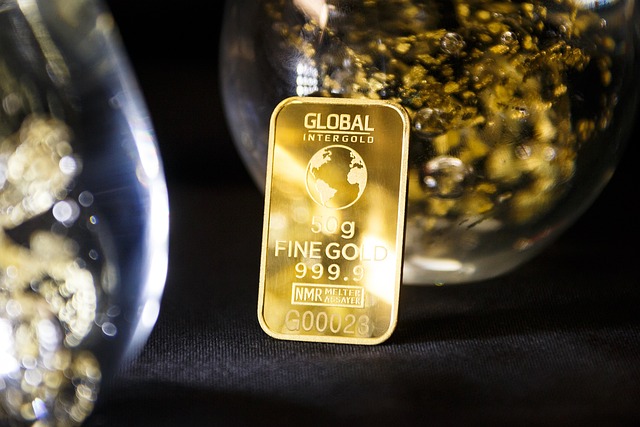
The most direct approach involves purchasing physical gold, such as bullion bars or coins. This offers tangible ownership and is often perceived as a safe-haven asset. Alternatively, you can invest in gold-backed Exchange Traded Funds (ETFs) or gold futures contracts, which provide exposure to gold prices without the need for physical storage. These financial instruments are traded on regulated exchanges and can offer greater liquidity.
Key Considerations for Physical Gold Purchases
- Purity and Certification: Always ensure gold is certified with a high purity level (e.g., 99.99%) from reputable refiners.
- Storage and Security: Secure storage solutions are paramount, whether through personal safes or professional vaulting services.
- Resale Value: Understand the buy-back policies of dealers to ensure a smooth selling process.
Accessing Gold Investment Options for Non-Residents
Navigating the regulatory framework for a gold investment Korea foreigner requires diligence. While South Korea generally welcomes foreign investment, specific procedures and documentation are necessary. Establishing a local bank account is often a prerequisite for many financial transactions, including gold purchases.
Procedural Steps for Foreign Investors
Firstly, you will need to obtain a foreigner registration card (FRC) if you haven’t already, which is essential for opening bank accounts and engaging in formal financial dealings. Following this, research reputable gold dealers and financial institutions that cater to foreign clients. Some may require proof of residency or a specific visa status. We have seen many expatriates successfully integrate gold into their wealth building plans.
Secondly, familiarize yourself with any import or export regulations if you plan to bring physical gold into or out of the country. While generally straightforward for personal use, large quantities may trigger reporting requirements. Consulting with a local financial advisor can streamline this process significantly.
Data Insights: Gold Prices and Market Trends
The historical performance of gold provides compelling evidence for its role in asset allocation. For instance, gold prices have shown an average annual return of approximately 7-10% over the past two decades, often outperforming traditional assets during periods of economic uncertainty (World Gold Council, 2025). South Korea’s import of gold has seen fluctuations, with significant inflows recorded during periods of global instability, indicating a consistent demand. Statistics Korea reported a 5% increase in gold imports for investment purposes in the first quarter of 2023 compared to the previous year.
Comparative Analysis of Investment Vehicles
To illustrate the potential, consider the following comparison:
| Investment Vehicle | Average Annual Return (Past 5 Years) | Volatility (Standard Deviation) | Liquidity | Ease of Access for Foreigners |
|---|---|---|---|---|
| Physical Gold (Bullion) | 8.5% | 12% | Moderate | Moderate (requires local accounts) |
| Gold ETFs (KOSPI Listed) | 9.2% | 15% | High | High (via brokerage accounts) |
| Gold Futures Contracts | 10.1% | 25% | Very High | Moderate (requires specialized brokers) |
This table highlights that while physical gold offers a stable, albeit slightly lower, return, gold ETFs provide higher average returns with increased volatility. Futures contracts offer the highest potential returns but also the greatest risk and complexity.
Tax Implications and Regulatory Compliance
Understanding the tax implications is a critical component of any successful gold investment Korea foreigner strategy. In South Korea, capital gains tax on gold transactions is generally not levied on physical gold held for investment purposes, provided it is not considered a business activity. However, profits from trading gold futures or ETFs are subject to capital gains tax. It is advisable to consult the Korea Tax Guide and seek professional advice to ensure full compliance with Korean tax laws. The Financial Supervisory Service (FSS) oversees financial regulations, ensuring fair practices for all investors.
Expert Insights: Maximizing Your Gold Holdings
From my 15 years of experience, I can attest that a well-integrated approach to asset allocation is key. Many foreigners overlook the benefits of combining gold with other assets for a robust portfolio strategy. For instance, during periods of high inflation, gold often retains its value, acting as a hedge. Consider diversifying into other asset classes like real estate or even exploring the emerging Korea Crypto Guide for further diversification, always with careful risk assessment.
Practical Portfolio Integration Strategies
One effective strategy is to allocate a portion of your portfolio, typically 5-10%, to gold. This allocation should be reviewed periodically, especially in response to global economic shifts. During times of geopolitical tension or economic downturns, increasing this allocation temporarily can be prudent. This has been a consistent theme in successful wealth building for many of my clients.
Another procedural detail involves understanding the difference between investing in domestically mined gold versus imported gold. While both offer exposure, the logistical and cost implications can vary. For foreigners, focusing on internationally recognized bullion or reputable Korean-produced gold from established brands like KOMSCO (Korea Minting, Security Printing & ID Card Operating Corp.) is generally more straightforward.
The Role of Gold in a Diversified Portfolio
Gold’s historical stability makes it an indispensable part of a balanced portfolio. It acts as a hedge against inflation and currency devaluation, providing a cushion during turbulent economic times. For those building long-term wealth, incorporating gold can significantly enhance portfolio resilience. It’s also important to consider Korea Insurance products as part of your overall financial security plan, offering protection against unforeseen events.
Long-Term Wealth Building with Gold
Investing in gold is not just about short-term gains; it’s about preserving and growing wealth over the long haul. By understanding the market dynamics and regulatory landscape specific to a gold investment Korea foreigner can confidently integrate this precious metal into their financial future. For further insights into broader investment opportunities in Korea, refer to our comprehensive Korea Finance Guide and our Investment Tips Korea section. The Korea Development Institute (KDI) has also published extensive research on the role of foreign investment in the Korean economy, which can provide valuable context.
자주 묻는 질문 (FAQ)
What are the primary ways for a foreigner to invest in gold in Korea?
Foreigners can invest in gold in Korea primarily through purchasing physical gold (bullion bars and coins), investing in gold-backed Exchange Traded Funds (ETFs) listed on Korean exchanges, or trading gold futures contracts.
Are there any specific tax advantages for foreigners investing in gold in Korea?
Generally, capital gains tax is not levied on physical gold held for investment purposes by individuals in Korea, provided it is not considered a business. However, profits from gold ETFs and futures are taxable.
What is the minimum investment amount for gold in Korea for foreigners?
There is no strict minimum investment amount for gold in Korea. For physical gold, you can purchase small bars or coins. For gold ETFs, you can buy shares, with prices varying based on market conditions.
Get in Touch
Have questions about your specific situation? Reach out anytime for a personal consultation.
Email: huh0303@gmail.com
관련 글: Alarming Trends You Must Know in Korea 101: What First-Timers Should Know