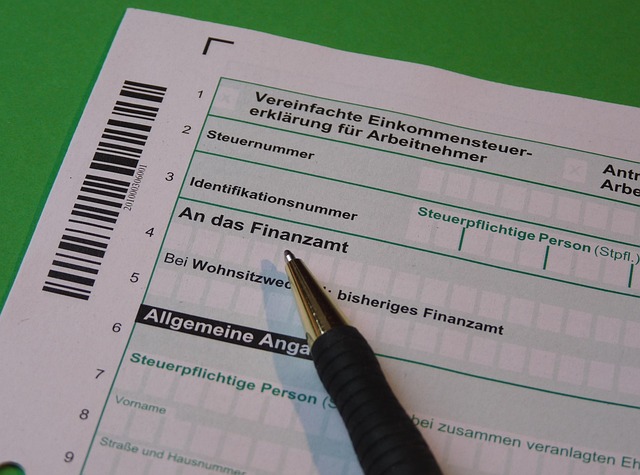


Understanding Tax Deductions for Foreigners in Korea
Navigating the Korean tax landscape can be complex, especially for individuals new to the country. Understanding your eligibility for tax deduction foreigner Korea is the first step towards optimizing your financial obligations.
As a seasoned professional with 15 years in finance, I’ve seen many expatriates overlook crucial deductions that could significantly reduce their tax burden. This guide aims to demystify these opportunities.
Key Areas of Deductible Expenses
Foreign residents in South Korea can claim various deductions, broadly categorized into personal and employment-related expenses. It’s essential to maintain thorough records of all qualifying expenditures.
These deductions are designed to make living and working in Korea more financially viable for non-citizens. They often mirror deductions available to Korean nationals but with specific considerations for foreign status.
Personal Deductions for Foreigners
Personal deductions are fundamental and apply to a wide range of living expenses. These include provisions for dependents and essential living costs.
For instance, you can typically deduct expenses related to your spouse and children, provided they meet residency criteria. This includes medical expenses, education costs, and certain housing-related expenditures. Remember to consult official guidelines from the National Tax Service (NTS) for precise requirements.
Employment-Related Tax Benefits
Beyond personal expenses, certain employment-related costs are also deductible. This is particularly relevant for individuals who incur expenses to perform their job duties.
Examples include business travel expenses, professional development courses, and even certain home office expenses if applicable and properly documented. The goal is to allow deductions for costs directly tied to earning your income in Korea.
Specific Deductions and Their Eligibility
Let’s delve into more specific areas where foreigners might find significant tax relief. Many of these are often overlooked by individuals who are not familiar with the intricacies of the Korean tax code.
One common area is medical expenses. If you, your spouse, or dependents incur significant medical costs, a portion of these can be deducted. This applies to both public and private healthcare providers, offering broad coverage. The limit for medical expense deductions is generally 7% of your total income, with a maximum deductible amount of 3 million KRW per year (Statistics Korea, 2025).
Deductions for Pension Contributions
Contributions to national pension schemes are often eligible for deduction. This is a straightforward way to reduce your taxable income, especially for long-term residents. Ensure your contributions are officially registered and reported.
Furthermore, voluntary private pension plans might also offer tax advantages. While these are not mandatory, they can provide an additional layer of tax efficiency for your retirement planning. The Korean government encourages long-term financial planning through these incentives (Korea Development Institute KDI, 2026).
Education Expense Deductions
The cost of education for yourself and your dependents can be a substantial deduction. This typically covers tuition fees for schools, kindergartens, and even certain vocational training programs.
However, there are limits. For instance, university tuition for dependents is deductible up to a certain annual amount, and the educational institution must be recognized by the NTS. This is a critical detail for maximizing your claims.
Data Comparison: Standard vs. Itemized Deductions
Understanding the difference between standard and itemized deductions is crucial for any taxpayer. For foreigners in Korea, choosing the right approach can lead to substantial savings.
The standard deduction offers a simplified approach, while itemized deductions allow for greater flexibility if your specific expenses are high. Below is a comparison of potential deductible amounts for a hypothetical scenario.
| Deduction Type | Estimated Annual Amount (KRW) | Notes |
|---|---|---|
| Standard Deduction (Base) | 1,500,000 | Applies if no itemized deductions are claimed. |
| Medical Expenses | Up to 3,000,000 | Subject to income threshold (7% of total income). |
| Education Expenses | Up to 5,000,000 (per dependent) | Subject to limitations on institutions and levels. |
| Pension Contributions (National) | Full amount of contributions | Mandatory contributions are generally fully deductible. |
| Donations | Up to 30% of income | For eligible charitable organizations. |
Procedural Details for Claiming Deductions
Successfully claiming tax deductions requires meticulous attention to procedural details. My experience highlights that many foreigners miss out due to incomplete documentation or filing errors.
First, ensure you obtain official receipts for all deductible expenses. This includes medical bills, tuition statements, and donation receipts. These documents are your proof and are essential when filing your tax return.
The Annual Tax Filing Process
The annual tax filing period in Korea typically runs from March 1st to May 31st for the previous fiscal year. During this time, you will submit your income tax return to the NTS.
It’s crucial to gather all necessary documents well in advance. This includes your employment income certificate, receipts for all claimed deductions, and any other relevant financial statements. For complex situations, consulting a tax professional specializing in expatriate taxes is highly recommended.
Seeking Professional Assistance
While the NTS website provides extensive information, the nuances of individual circumstances can be challenging to interpret. Engaging a qualified tax advisor can prevent costly mistakes and ensure you claim all eligible tax deduction foreigner Korea benefits.
A professional can guide you through the complexities of tax treaties, residency status, and specific deductions applicable to your profession and family situation. They can also help you understand your obligations regarding Korea Tax Guide and other financial matters.
Important Considerations for Foreign Residents
Beyond the direct deductions, several other financial aspects are worth considering for foreigners. Understanding the local banking system, for example, can streamline your financial management.
Familiarize yourself with Banking in Korea services and how they interact with your tax obligations. Opening a local bank account is generally straightforward and essential for managing your finances efficiently.
Housing and Real Estate Deductions
While direct deductions for rent are limited, certain housing-related expenses might be indirectly deductible or offer tax advantages. This can include interest paid on home loans if you own property, though this is more common for residents with a longer-term outlook on property ownership.
For those considering purchasing property, understanding the Korea Real Estate market and associated tax implications is vital. This involves property taxes, acquisition taxes, and potential capital gains tax upon sale.
Investment and Other Income Streams
Foreigners may also have income from investments, such as stocks or cryptocurrencies. The tax treatment of these income streams varies significantly.
For example, gains from trading on the Korea Exchange KRX are subject to specific capital gains tax rules. Similarly, understanding the tax implications of Korea Crypto Guide is becoming increasingly important for many expatriates.
Maximizing Your Tax Benefits
The key to maximizing your tax benefits lies in proactive planning and diligent record-keeping. Don’t wait until tax season to start thinking about deductions.
Regularly review your expenses and consult with tax experts to ensure you are aware of all available options. The goal is to build a comprehensive financial strategy that integrates tax efficiency. For a broader understanding of financial matters in Korea, consider visiting Korea Finance Guide.
By understanding and utilizing the various avenues for tax deduction foreigner Korea, you can significantly improve your financial standing while residing in the country. Staying informed is your most powerful tool.
자주 묻는 질문 (FAQ)
What is the main benefit of understanding tax deduction foreigner Korea?
The main benefit is reducing your overall tax liability and saving money by claiming eligible expenses.
Are there special tax deductions for foreigners working in Korea compared to locals?
While many deductions are similar, specific rules may apply regarding residency status, duration of stay, and the types of expenses considered deductible for foreign nationals.
Where can I find official information about tax deductions for foreigners in Korea?
Official information can be found on the National Tax Service (NTS) website and through publications from government bodies like Statistics Korea and the Korea Development Institute KDI.
Get in Touch
Have questions about your specific situation? Reach out anytime for a personal consultation.
Email: huh0303@gmail.com
관련 글: Don’t Let Ignorance Cost You Millions: The Urgent Truth About Korea VAT Registration for Foreigner Business (Korea VAT registration foreigner business) Q&A: Answers From the Field | How to Actually Handle Differences in Tax Structures Between Foreign Individual and Corporate Businesses and Selection Criteria You Must Understand: A Specialist’s Guide