
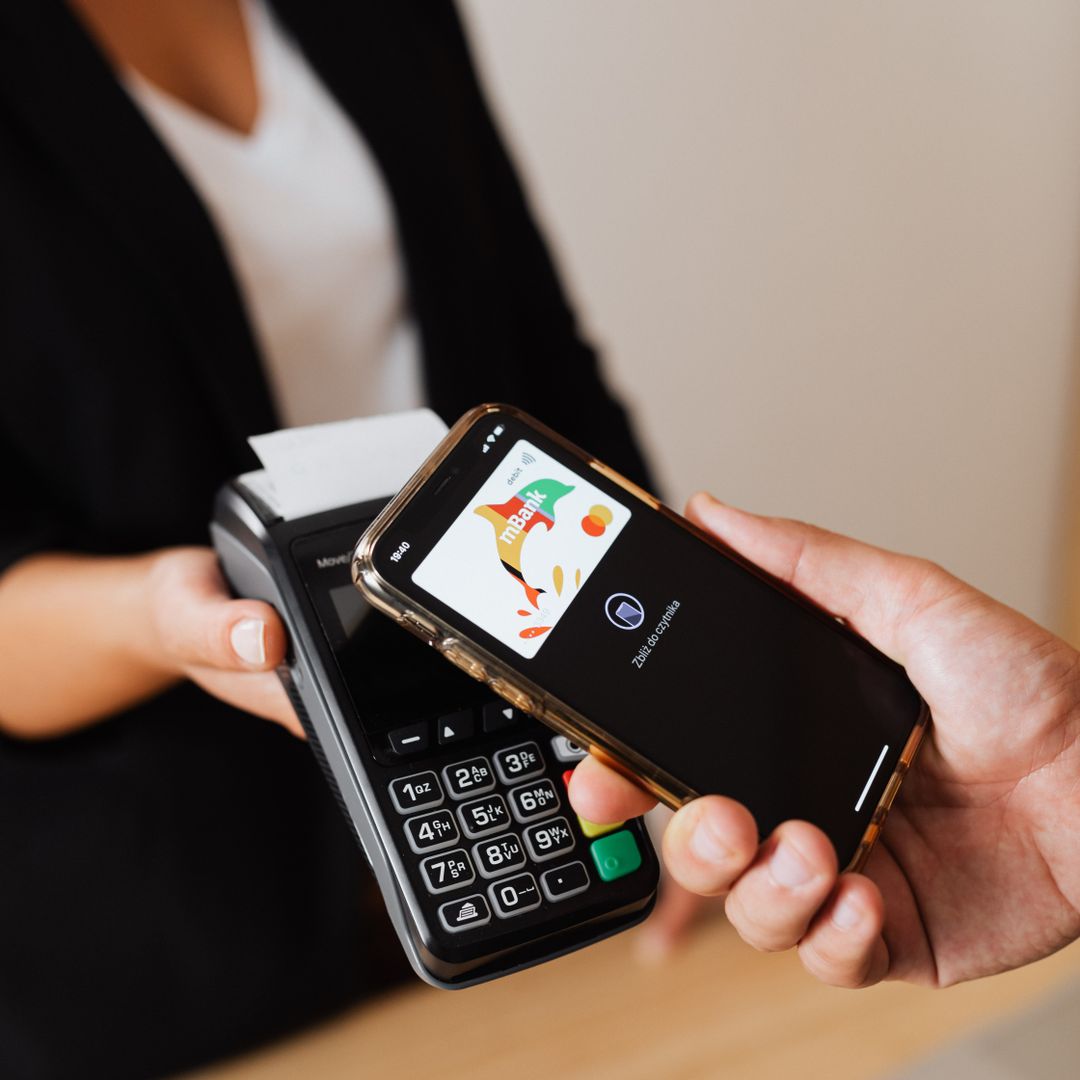
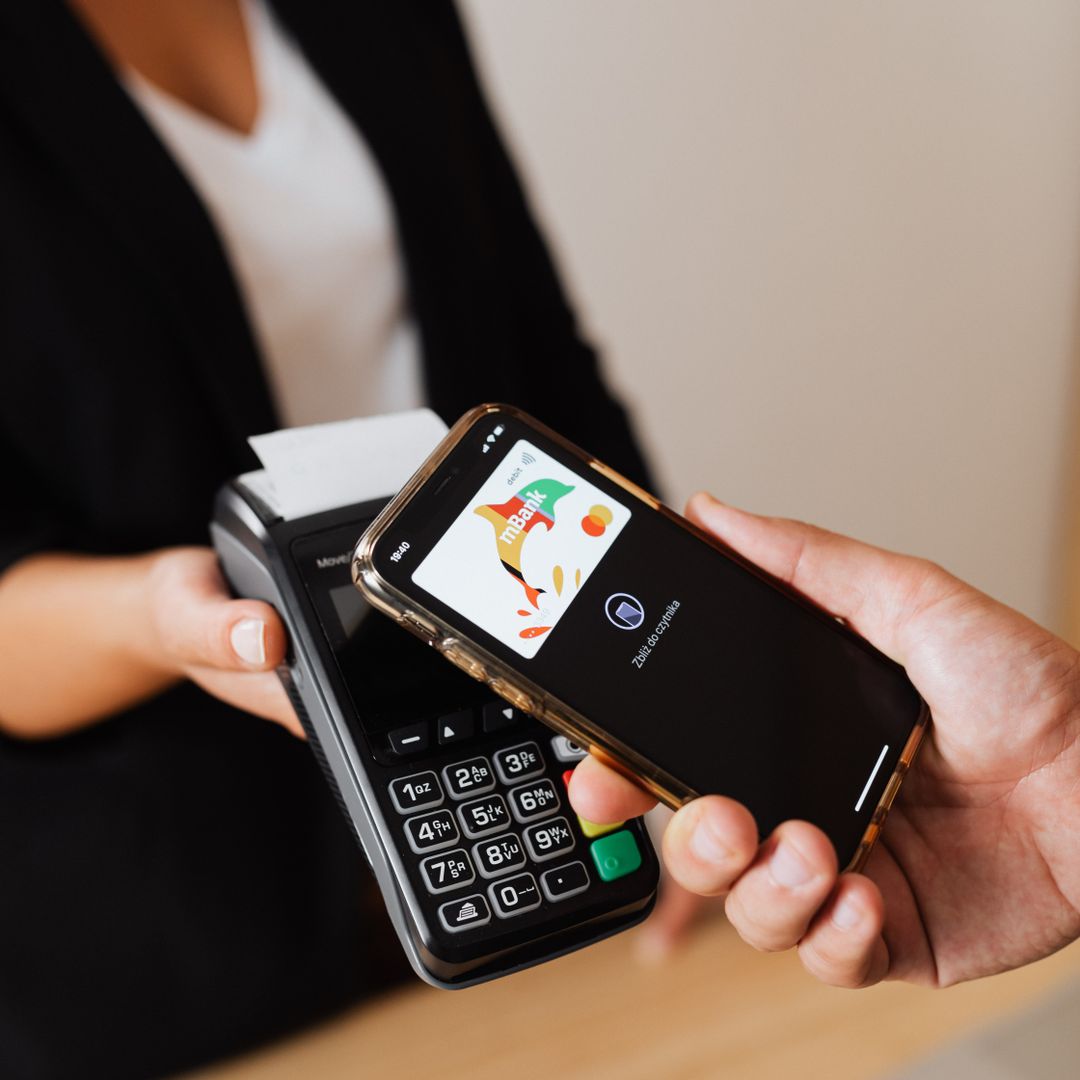
Navigating everyday transactions in Korea is increasingly reliant on digital methods, making effective utilization of mobile payment options for expats a practical necessity.
The prevalence of smartphones has significantly altered payment landscapes, with the Bank of Korea noting a continuous increase in mobile payment usage across various demographics.
This shift necessitates an understanding of available platforms, associated costs, and operational requirements for foreign residents.
This article outlines the primary mobile payment solutions accessible to expats, detailing their features, setup procedures, and potential challenges.
Available Mobile Payment Platforms for Foreign Residents
Foreign residents in Korea have several prominent mobile payment platforms to choose from, each offering distinct advantages.
These platforms generally integrate with existing bank accounts or offer proprietary digital wallets.
The Financial Services Commission encourages the development of diverse payment services to enhance financial inclusion.
| Platform | Description | Key Features for Expats |
|---|---|---|
| Kakao Pay | A comprehensive digital wallet integrated within the KakaoTalk messenger app. | Widely accepted, easy integration with Korean bank accounts, supports various payment types (online, in-store QR/barcode), remittance services. |
| Naver Pay | Integrated with Naver services, offering payment, loyalty points, and online shopping benefits. | Strong presence in online shopping, loyalty point accumulation, easy linking to local bank accounts and credit cards. |
| Samsung Pay | Utilizes Magnetic Secure Transmission (MST) and Near Field Communication (NFC) for broad in-store acceptance. | High acceptance rate in physical stores due to MST technology, compatible with most Korean credit/debit cards. |
| Toss Pay | Part of the Toss super-app, offering a range of financial services beyond payments. | User-friendly interface, diverse financial services (including investment, loans), easy bank account linkage. |
| Bank Apps (e.g., Woori WON Banking, KB Star Banking) | Proprietary mobile banking applications from major Korean banks. | Direct integration with user’s bank account, often includes QR payment features, convenient for managing bank-specific services. |
Fees, Eligibility, and Operational Requirements
Each mobile payment platform has specific eligibility criteria and potential fees that foreign residents must consider.
Generally, a valid Alien Registration Card (ARC) and a local bank account are fundamental requirements.
Eligibility Criteria for Expats
- Alien Registration Card (ARC): This is universally required for identity verification and linking financial services.
- Korean Bank Account: Most platforms require linkage to a local bank account for funding payments and withdrawals.
- Korean Mobile Number: Essential for registration, verification, and receiving notifications.
- Age Requirements: Users must typically be 19 years or older.
Potential Fees and Charges
While basic payment transactions are often free for consumers, certain services or features may incur charges.
- Remittance Fees: International remittance services offered by some platforms may have transaction fees, which vary by destination and amount.
- Currency Conversion Fees: For transactions involving foreign currencies (less common for domestic payments), conversion fees might apply.
- ATM Withdrawal Fees: If a platform offers cardless ATM withdrawals, specific fees may be associated with these transactions.
- Value-Added Services: Certain premium features or financial products within the apps may carry subscription or service charges.
Step-by-Step Process for Expats to Set Up Mobile Payment
The setup process for mobile payment applications generally follows a consistent pattern, albeit with minor variations between platforms.
Adhering to these steps ensures a smoother activation.
- Download the Application: Obtain the desired mobile payment application from the Google Play Store or Apple App Store.
- Initial Registration: Create an account using your Korean mobile number and email address.
- Identity Verification: Provide your Alien Registration Card (ARC) details for identity verification. This often involves taking a photo of the ARC and sometimes a selfie for facial recognition.
- Link Korean Bank Account: Connect your local bank account to the mobile payment app. This usually requires inputting bank account details and undergoing a verification process, such as a small deposit verification.
- Register Payment Methods: Add your Korean debit or credit cards to the application. This typically involves inputting card numbers, expiry dates, and security codes.
- Set Up PIN/Biometrics: Create a six-digit payment PIN or enable biometric authentication (fingerprint, facial recognition) for secure transactions.
- Explore Features: Familiarize yourself with the app’s various functionalities, including QR code payments, online purchases, and integrated financial services like stock trading or personal finance management.
Common Problems and Troubleshooting for Foreign Residents
Foreign residents may encounter specific issues during the setup or usage of mobile payment applications.
Understanding these common problems can facilitate quicker resolution.
Identity Verification Failures
- Inaccurate ARC Scan: Ensure clear, well-lit photos of your ARC without glare or obstructions.
- Mismatching Information: Verify that the name and date of birth entered match exactly with your ARC and bank account details.
- Outdated ARC: Ensure your Alien Registration Card is valid and not expired.
Bank Account Linkage Issues
- Account Holder Name Mismatch: The name on your bank account must precisely match the name registered with the mobile payment app. Foreign names can sometimes cause discrepancies if not entered consistently.
- Incorrect Bank Details: Double-check the bank name, account number, and swift code (if applicable) during linkage.
- Bank Restrictions: Some banks might have specific security protocols or daily limits that affect third-party app linkages. Contact your bank directly if issues persist.
Transaction Failures
- Insufficient Funds: Ensure your linked bank account or digital wallet has sufficient balance for the transaction.
- Daily/Monthly Limits: Be aware of any transaction limits imposed by the payment app or your bank. These can often be adjusted through the bank’s mobile banking app or customer service.
- Network Connectivity: A stable internet connection is crucial for successful mobile payments.
- Terminal Compatibility: While Samsung Pay has broad acceptance, other QR/barcode-based payments require compatible merchant terminals.
Language Barrier
Many applications offer English language support, but some features or customer service interactions might be primarily in Korean.
Utilizing in-app translation features or seeking assistance from a Korean speaker can be beneficial.
For complex financial matters, consulting resources like Korean Tax Law or official bank guides in English is advisable.
Expats should also be aware of any tax implications related to large transactions or investment activities conducted through these platforms.
Official Sources and Checked Date
Information regarding mobile payment services for foreign residents is subject to changes in financial regulations and technological advancements.
For the most current and authoritative details, foreign residents should consult official sources.
The Bank of Korea (BOK) provides general statistics and policy directions for payment systems at https://www.bok.or.kr/eng.
The Financial Services Commission (FSC) outlines regulatory frameworks and consumer protection measures at https://www.fsc.go.kr/eng.
The Korea Exchange (KRX) offers insights into the broader financial market infrastructure at https://global.krx.co.kr.
Always refer to the specific mobile payment application’s official website or customer service for their latest terms and conditions.
The information presented in this article is current as of the article’s writing.
자주 묻는 질문 (FAQ)
Can I use my home country’s mobile payment app in Korea?
Generally, no. Most mobile payment apps in Korea require linkage to a local Korean bank account, a valid Alien Registration Card (ARC), and a Korean mobile number for registration and verification. Foreign payment apps typically do not integrate with the local financial infrastructure.
Are there any transaction limits for mobile payments?
Yes, both the mobile payment platforms and the linked Korean banks may impose daily or monthly transaction limits. These limits are in place for security reasons and can often be viewed or adjusted through the respective app’s settings or by contacting your bank’s customer service.
Is it safe to use mobile payment apps in Korea?
Korean mobile payment apps employ robust security measures, including PIN authentication, biometric verification, and encryption protocols. However, users should always practice good digital hygiene, such as using strong passwords, keeping their devices secure, and being cautious of phishing attempts.
Get in Touch
Have questions about your specific situation? Reach out anytime for a personal consultation.