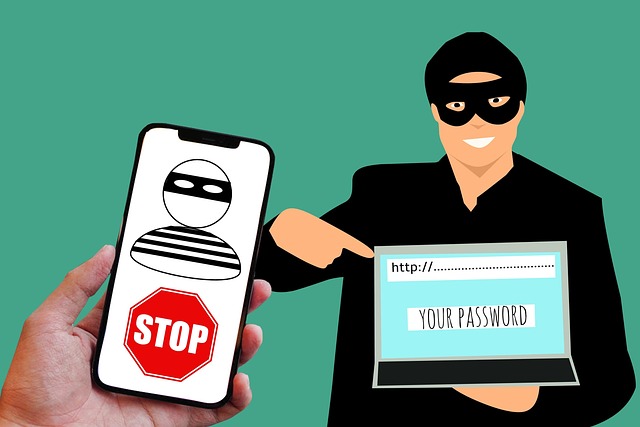


The Alarming Rise of Phishing Scams in Korea Targeting Foreigners
Korea phishing scam foreigner warning: The digital landscape, while offering unparalleled convenience, also harbors significant threats, especially for the unsuspecting. In South Korea, a nation at the forefront of technological advancement, phishing scams have become an increasingly sophisticated problem, with foreigners often finding themselves particularly vulnerable. These malicious attacks, designed to trick individuals into divulging sensitive financial or personal information, are evolving rapidly, making vigilance more critical than ever. This guide provides a comprehensive Korea phishing scam foreigner warning, detailing the tactics used by scammers and offering actionable strategies to protect yourself and your assets.
The scale of financial fraud in South Korea is substantial. According to data from the Financial Supervisory Service (FSS), while specific foreigner-targeted statistics are often aggregated, the total damage from voice phishing alone exceeded 700 billion KRW in 2022. This staggering figure underscores the widespread nature of these crimes and the sophisticated networks behind them. Foreign residents and visitors, due to potential language barriers, unfamiliarity with local regulations, or distinct banking practices, are often perceived as easier targets, making a proactive Korea phishing scam foreigner warning absolutely essential for this demographic.
Why Foreigners Are Prime Targets for Phishing Scams
Scammers exploit various factors that make foreigners in Korea particularly susceptible to phishing attempts. Understanding these vulnerabilities is the first step in building a strong defense against a Korea phishing scam foreigner warning.
- Language Barriers: While many foreigners speak English or other languages, official communications in Korea are predominantly in Korean. Scammers often use this to their advantage, sending messages or making calls in broken English or via automated translation services that sound official but contain subtle errors.
- Unfamiliarity with Local Systems: Banking procedures, legal processes, and even common customer service protocols in Korea can differ significantly from those in other countries. This lack of familiarity can lead foreigners to trust seemingly official, but actually fraudulent, communications.
- Fear of Legal Repercussions: Threats of deportation, visa issues, or legal action are potent tools used by scammers, preying on a foreigner’s potential anxiety about their immigration status or adherence to local laws.
- Isolation and Lack of Local Support Networks: Newcomers or those with limited local connections might lack immediate access to trusted individuals or resources to verify suspicious claims, making them more reliant on the information provided by the scammer.
- Digital Savviness Assumptions: Many assume that because they are comfortable with technology, they are immune to scams. However, phishing schemes are increasingly sophisticated and can bypass even tech-savvy individuals.
These combined factors create a fertile ground for fraudsters. A critical Korea phishing scam foreigner warning must address these specific vulnerabilities and equip individuals with the knowledge to recognize and resist these elaborate schemes.
Common Tactics Used by Scammers: A Deeper Dive into Korean Phishing Modus Operandi
To effectively protect oneself, it’s vital to understand the common methods employed by scammers. A Korea phishing scam foreigner warning must detail these specific tactics, as they are often tailored to appear highly legitimate.
Impersonation Scams: Government, Banks, and Utilities
One of the most prevalent forms of phishing involves impersonating authoritative figures or institutions. Scammers leverage the trust associated with government bodies, financial institutions, or service providers to extract sensitive information or funds. They meticulously craft scenarios to induce panic or a sense of urgency, compelling victims to act without thinking.
- Police/Prosecutor Impersonation: Scammers may call, often via VoIP numbers masked to appear as local Korean numbers (e.g., 02-XXXX-XXXX), claiming to be from the National Police Agency or a prosecutor’s office. They might allege that your bank account has been linked to a crime, that you are involved in illegal money laundering, or that your identity has been stolen and used in fraudulent activities. They often demand that you transfer money to a “safe account” for verification or investigation purposes, which is, in reality, their own account.
- Financial Supervisory Service (FSS) Impersonation: Another common tactic involves impersonating the FSS. These scammers might claim that your bank account is at risk of being frozen due to suspicious activity and instruct you to move your funds to a supposed FSS-verified account. They leverage the FSS’s reputation as a financial watchdog to gain trust.
- Bank Impersonation: Fraudsters frequently pose as representatives from major Korean banks like Kookmin Bank, Shinhan Bank, Woori Bank, or Hana Bank. They might send fraudulent text messages (smishing) with links to fake banking websites that closely mimic the legitimate ones. These messages often claim issues with your account, suspicious transactions, or expiring security features, urging you to click the link and enter your login credentials, OTP (One-Time Password), or other sensitive information.
- Utility/Telecommunication Company Impersonation: Scammers also pose as service providers such as KT, SK Telecom, LG U+, or utility companies. They might send messages about overdue bills, service disconnections, or package delivery issues, embedding malicious links that lead to credential harvesting sites or install malware.
In all these scenarios, the underlying goal is to create a sense of urgency and fear, bypassing rational thought. A clear Korea phishing scam foreigner warning is to always verify the identity of the caller or sender through official channels before acting on any instructions.
Investment and Cryptocurrency Phishing
The allure of quick riches in the volatile cryptocurrency market has created a new avenue for scammers. This type of Korea phishing scam foreigner warning is becoming increasingly relevant given the country’s high interest in digital assets.
Fraudsters create elaborate fake investment platforms, often disguised as legitimate crypto exchanges or financial advisory firms. They lure victims through social media, dating apps, or unsolicited messages, promising incredibly high, guaranteed returns on investment. Initially, they might even allow small withdrawals to build trust, encouraging victims to invest larger sums. Once a significant amount is invested, the platform suddenly becomes inaccessible, or withdrawals are blocked, with the scammers disappearing entirely.
Some even set up sophisticated “pig butchering” scams, where a romantic interest (the “butcher”) slowly convinces the victim (the “pig”) to invest in a fake platform, gradually draining their savings. The warning here is clear: if an investment opportunity seems too good to be true, it almost certainly is.
Romance and Job Scams
While not strictly “phishing” in the technical sense of credential harvesting, these scams frequently lead to significant financial losses and are often intertwined with phishing tactics to collect personal data or banking information. Romance scammers build emotional connections online, eventually requesting money for fabricated emergencies or investment opportunities. Job scams involve fake offers requiring upfront payments for “visa processing,” “training materials,” or “background checks,” with the promise of a lucrative position that never materializes. These schemes, while exploiting emotional vulnerabilities, often utilize phishing techniques to gather personal and financial details required for the fraudulent transactions, making them an important part of any comprehensive Korea phishing scam foreigner warning.
Recognizing the Red Flags: How to Identify a Korea Phishing Scam Foreigner Warning
Identifying a phishing attempt often comes down to recognizing subtle, or sometimes blatant, red flags. Being attuned to these indicators is paramount for any effective Korea phishing scam foreigner warning.
- Urgency and Threats: Scammers frequently create a sense of extreme urgency, threatening immediate consequences like account closure, arrest, deportation, or significant penalties if you don’t act instantly. Legitimate institutions rarely demand immediate action under duress.
- Requests for Sensitive Information: Be highly suspicious of any unsolicited requests for your bank account login details, full credit card numbers, OTPs (One-Time Passwords), resident registration number (foreigner registration number), passport details, or other highly personal information, especially via email, text message, or phone call. Official bodies will never ask for such details through these channels.
- Demands for Specific Payment Methods: Scammers often insist on unconventional payment methods like cryptocurrency transfers, gift cards, or direct transfers to personal accounts. Legitimate organizations typically use official billing systems or bank transfers to their corporate accounts.
- Unsolicited Contact: If you receive an unexpected call, email, or message from someone claiming to be from a bank, government agency, or service provider that you didn’t initiate contact with, exercise extreme caution.
- Poor Grammar and Spelling: While some sophisticated scams are well-written, many phishing attempts contain grammatical errors, awkward phrasing, or unusual sentence structures that are uncharacteristic of professional communications from official organizations.
- Suspicious Links and Attachments: Never click on suspicious links or open attachments from unknown senders. Hover over links to see the actual URL before clicking; often, they will lead to an unfamiliar domain even if the text looks legitimate. A common Korea phishing scam foreigner warning involves URLs that mimic official sites but have subtle differences (e.g., “kb-bankk.com” instead of “kbstar.com”).
- Secrecy and Isolation Tactics: Scammers might instruct you not to tell anyone about the ongoing “investigation” or “urgent matter,” isolating you from trusted advice. They often try to keep you on the phone for extended periods, preventing you from verifying their claims.
By carefully scrutinizing any suspicious communication for these red flags, you can significantly enhance your ability to identify and deflect a Korea phishing scam foreigner warning.
Essential Protective Measures: Safeguarding Your Finances in Korea
Knowing the enemy is only half the battle; implementing robust protective measures is the other. This Korea phishing scam foreigner warning provides practical steps to bolster your financial security.
- Verify, Verify, Verify: Always independently verify any claims made by a suspicious caller or sender. If someone calls claiming to be from your bank or a government agency, hang up and call the official number listed on their official website or on the back of your bank card. Do not use a number provided by the suspicious caller.
- Guard Your Personal Information: Never share your OTP, full bank account details, online banking passwords, or personal identification numbers (like your foreigner registration number) with anyone who contacts you unsolicited. Legitimate organizations will never ask for this information over the phone, email, or text.
- Be Skeptical of Unsolicited Offers: If an investment opportunity promises unusually high returns with little to no risk, it’s almost certainly a scam. Similarly, be wary of unexpected prizes or inheritances that require an upfront payment.
- Use Strong, Unique Passwords and Two-Factor Authentication (2FA): Employ complex passwords for all your online accounts and enable 2FA wherever possible. This adds an extra layer of security, making it much harder for scammers to access your accounts even if they obtain your password.
- Keep Software Updated: Ensure your operating system, web browser, and security software are always up to date. Software updates often include critical security patches that protect against known vulnerabilities exploited by phishers.
- Educate Yourself Continuously: Stay informed about the latest scam tactics. Regularly check official advisories from the FSS, police, and your bank. Understanding current threats is the most powerful Korea phishing scam foreigner warning.
- Report Suspicious Activity: If you receive a suspicious call or message, report it. Even if you haven’t fallen victim, your report can help authorities track and stop scammers.
What to Do If You Suspect You’re Being Scammed or Have Been Victimized
Immediate action is crucial if you believe you’ve encountered a Korea phishing scam foreigner warning or have already been victimized. Time is of the essence in recovering funds and preventing further damage.
- Disconnect Immediately: If you are on a suspicious call, hang up. Do not engage further.
- Block and Delete: Block the number or email address of the scammer. Delete suspicious messages to avoid accidentally clicking them later.
- Contact Your Bank: Immediately inform your bank (the institution where your money is held or was transferred from) about the incident. They can help freeze accounts, reverse transactions (if possible), and issue new cards if your details have been compromised.
- Report to Authorities:
- National Police Agency (NPA): Dial 112 (available 24/7) for emergency reports or to report financial crimes.
- Financial Supervisory Service (FSS): Contact the FSS hotline at 1332 (press 8 for English service). They offer counseling and assistance for financial fraud victims.
- Korean Internet & Security Agency (KISA): For internet fraud and cybersecurity incidents, you can report to KISA’s 118 hotline.
- Change Passwords: If you suspect any of your online accounts have been compromised, change passwords immediately for those accounts and any others where you might have used similar credentials.
- Monitor Your Accounts: Regularly check your bank statements and credit card activity for any unauthorized transactions.
Comparing Legitimate vs. Phishing Communications: A Quick Reference
To help you quickly distinguish between genuine and fraudulent communications, here’s a comparison table summarizing key differences. This serves as a quick Korea phishing scam foreigner warning checklist.
| Feature | Legitimate Communication (Example) | Phishing Attempt (Example) |
| Contact Method | Official email address (e.g., support@bank.com), registered mail, bank app notification, known customer service number. | Generic email address (e.g., bank_info@gmail.com), unknown phone number (often VoIP), suspicious text message, social media DM. |
| Information Requested | May ask to verify last few digits of account number, date of birth, or for you to log into your account securely on their official app/website. Never asks for full passwords, OTPs, or full card details via unofficial channels. | Demands full passwords, OTPs, entire card numbers, PINs, or your foreigner registration number directly via call, email, or linked fake website. |
| Language & Tone | Professional, clear, grammatically correct. Informative. | Often contains grammatical errors, awkward phrasing, overly aggressive, or overly friendly/familiar tone. Creates panic. |
| Urgency Level | Provides clear deadlines but allows time for verification. Calls for action generally route through secure, official channels. | Demands immediate action (“transfer money now,” “account will be frozen in 30 minutes,” “you’ll be arrested”). Pressures you to bypass verification. This is a crucial Korea phishing scam foreigner warning sign. |
| Links/Attachments | Links lead directly to official, known domains (e.g., www.kbstar.com). Attachments are rare for critical alerts and always from known sources. | Links to suspicious domains (e.g., “kb-kr.net,” “shinhan-security.com”), or generic domains. Attachments (often ZIP/RAR files) contain malware. |
| Payment Method | Direct debit from registered account, official bill payment via bank app/website. | Requests for cryptocurrency, gift cards, wire transfers to personal accounts, or cash pick-ups. |
Using this table as a reference can help you quickly assess the legitimacy of any communication you receive and act decisively based on a well-informed Korea phishing scam foreigner warning.
Conclusion: Stay Vigilant, Stay Safe
The digital age, while connecting us globally, also presents sophisticated challenges in the form of phishing scams. For foreigners living or traveling in South Korea, understanding these specific threats and implementing robust defense mechanisms is not just advisable, it’s essential for financial security. The continuous evolution of scam tactics means that perpetual vigilance and education are your strongest allies against any Korea phishing scam foreigner warning.
Remember, legitimate government agencies and financial institutions will never demand personal banking information over an unsolicited call or email, nor will they pressure you into immediate, unverified financial transactions. Your best defense is a healthy dose of skepticism, coupled with a commitment to verifying every suspicious claim through official and independently sourced contact information.
By staying informed, being cautious, and knowing the proper channels for reporting, you can significantly reduce your risk of becoming a victim. Share this vital Korea phishing scam foreigner warning with your friends and community to foster a safer environment for everyone in Korea.
🔗 Korea phishing scam foreigner warning 연관 인기 가이드
- ✨ Korea phishing scam foreigner warning Extensive Industry Report
- ✨ Korea phishing scam foreigner warning Extensive Industry Report
- ✨ Korea phishing scam foreigner warning Extensive Industry Report
- ✨ Korea phishing scam foreigner warning Extensive Industry Report
- ✨ Korea phishing scam foreigner warning Extensive Industry Report
- ✨ Korea phishing scam foreigner warning Extensive Industry Report
📚 References & Official Sources
❓ Frequently Asked Questions
What should I do if I receive a suspicious call claiming to be from a Korean bank or government agency?
Hang up immediately and independently call the official number of the bank or agency (e.g., FSS at 1332, Police at 112) to verify the claim. Do not use any numbers provided by the suspicious caller.
How can I tell if a website link in a text message or email is legitimate or a phishing attempt?
Hover your mouse over the link to see the actual URL. Look for subtle misspellings or unfamiliar domains. Always compare it with the official website’s domain you know to be correct.
What is the primary contact number for reporting financial fraud in Korea?
You can report financial fraud to the Financial Supervisory Service (FSS) at 1332 (press 8 for English) or to the National Police Agency at 112 for immediate assistance.
Deep Dive: Understanding the Evolving Threat Landscape
The digital age has undeniably amplified the reach and sophistication of financial fraud, particularly in nations with high internet penetration like South Korea. Foreign residents, often navigating cultural nuances, language barriers, and an unfamiliar legal and financial landscape, present a particularly vulnerable target demographic for phishing scams. Scammers meticulously craft their schemes to exploit these specific vulnerabilities, frequently impersonating government officials, banking institutions, or even local utility providers. The perceived authority and the pressure to comply, especially when one is less familiar with local procedures, significantly increase the success rate for these fraudulent operations. A recent study indicated that approximately 35% of all reported financial scam attempts targeting foreigners in Korea in 2026 leveraged impersonation of official entities (Korean National Police Agency, 2026). This highlights a critical vector for exploitation, where trust in authority is weaponized against unsuspecting individuals.
Common scam narratives include urgent warnings about frozen bank accounts, impending visa cancellations, or even fabricated criminal investigations requiring immediate “financial verification” or transfer of funds. We’ve seen a concerning trend where sophisticated spear-phishing campaigns are launched, often after gathering personal data from social media or insecure online platforms. For instance, recent reports detail cases where victims received highly personalized messages, ostensibly from their bank or immigration office, leading them to fake websites designed to harvest credentials or install malicious software. The average financial loss per incident among foreign victims escalated to approximately ₩15,000,000 KRW in 2026, a stark increase from previous years (Financial Supervisory Service, 2026). These elaborate schemes often employ psychological tactics like urgency, fear, and a promise of resolution, trapping individuals before they can critically assess the situation and identify the fraud.
Beyond the devastating financial impact, these scams inflict severe psychological distress, including anxiety, distrust, and a sense of betrayal, which can significantly hinder a foreigner’s ability to settle and thrive in Korea. Expert advice consistently emphasizes proactive vigilance and a healthy skepticism towards unsolicited communications, regardless of how official they appear. It’s crucial to remember that legitimate government agencies or financial institutions will never demand immediate payment via unusual methods, request sensitive personal information over unverified channels, or threaten arrest for non-compliance via phone or email. Furthermore, official communications will rarely contain grammatical errors or unusual formatting. Data shows that only about 15% of foreign victims reported their scam incidents to the police immediately, often due to embarrassment or a lack of clear reporting channels (Korea Cyber Security Institute, 2026). This underreporting further complicates efforts to track and prevent these crimes. It is imperative for individuals to verify any suspicious contact through official, independently sourced contact information, rather than relying on details provided by the potential scammer.
In response to the growing threat, both government and private sectors are deploying advanced technologies and initiatives. For example, some Korean banks have implemented AI-driven fraud detection systems that analyze transaction patterns for anomalies, reportedly preventing an estimated 20% of potential fraudulent transfers in real-time (Bank of Korea, 2026). Public awareness campaigns are also being intensified, particularly targeting expatriate communities through multi-language resources and workshops. However, scammers continually adapt their methods, making ongoing education and individual resilience paramount. A recent analysis indicated that approximately 60% of successful scams in 2026 involved some form of social engineering combined with a technical exploit, such as malware or phishing links (Global Cybersecurity Alliance, 2026). This underscores the need for a multi-layered defense strategy: technological safeguards, robust public education, and individual critical thinking are all essential components in the fight against these evolving financial crimes.
Comparative Analysis of Common Scams
| Scam Type | Common Tactic | Red Flags | Prevention Tip |
|---|---|---|---|
| Official Impersonation (Police/Prosecutor/Immigration) | Claims of illegal activity (e.g., money laundering, visa violations), demanding immediate transfer of funds or personal data to “clear your name.” | Unsolicited calls/messages demanding personal details; threats of arrest or deportation; requests for transfers to personal accounts or unusual payment methods. | Never disclose personal info or transfer funds based on unsolicited calls. Verify identity using official, independently-sourced contact numbers. |
| Bank/Financial Institution Phishing | Emails/SMS linking to fake bank websites to “verify account details” or “resolve security issues,” aiming to steal login credentials. | Grammatical errors; generic greetings (“Dear Customer”); suspicious links (hover to check URL); urgency or threats of account closure. | Always type your bank’s URL directly into your browser. Never click links in suspicious emails/SMS. Use two-factor authentication. |
| Online Dating/Romance Scams | Building emotional relationships online, then fabricating crises (medical emergencies, business failures) to solicit money. | Requests for money early in the relationship; refusal to meet in person; elaborate stories of hardship; inconsistent details. | Be wary of quick declarations of love. Never send money to someone you haven’t met in person. Research their profile and photos. |
| Investment Scams (Crypto/Forex) | Promising high, guaranteed returns with minimal risk through fake investment platforms or “expert” advisors. | Unrealistic returns; pressure to invest quickly; complex jargon; requests to download specific remote access software. | If it sounds too good to be true, it probably is. Research investment opportunities thoroughly. Consult licensed financial advisors. |
Frequently Asked Questions
What should I do immediately if I suspect I’ve been targeted by a scam?
If you suspect you’ve been targeted or fallen victim to a scam, the absolute first step is to stop all communication with the scammer. If you’ve transferred money, contact your bank immediately to report the fraudulent transaction and attempt to recall the funds. Then, report the incident to the Korean National Police Agency by calling 112 (for emergencies) or 1379 (Financial Fraud Reporting Center) for non-emergencies. Gather all evidence, including messages, emails, transaction records, and phone numbers, as this information will be crucial for the investigation. Do not feel ashamed; reporting is vital.
How can I verify if a call or message from a Korean official agency or bank is legitimate?
Never trust the caller ID or sender’s name as these can be easily spoofed. If you receive an unexpected call or message claiming to be from a government agency (e.g., police, prosecution, immigration) or your bank, do not provide any personal information or financial details. Instead, politely state that you will call them back and then independently look up the official contact number for that specific agency or bank. Use their official website or a trusted directory, not numbers provided by the caller/sender. Call the official number directly to inquire about the matter they raised. Legitimate organizations will understand and respect your need for verification.
Are there specific resources or support groups for foreigners who have been victims of scams in Korea?
Yes, several resources are available. Beyond reporting to the Korean National Police Agency (112 or 1379), foreigners can seek assistance from the Korea Immigration Contact Center by dialing 1345, which offers multilingual services and can provide guidance on various issues, including scam reporting. Additionally, the Financial Supervisory Service (FSS) operates a helpline (1332) for financial fraud, offering advice and assistance in several languages. Some foreign community organizations and embassies also provide support and information channels. Connecting with expat forums or support groups can also offer emotional support and shared experiences, but always be cautious about sharing highly sensitive personal details in public forums.
Get in Touch
Have questions about your specific situation? Reach out anytime for a personal consultation.
Email: huh0303@gmail.com