
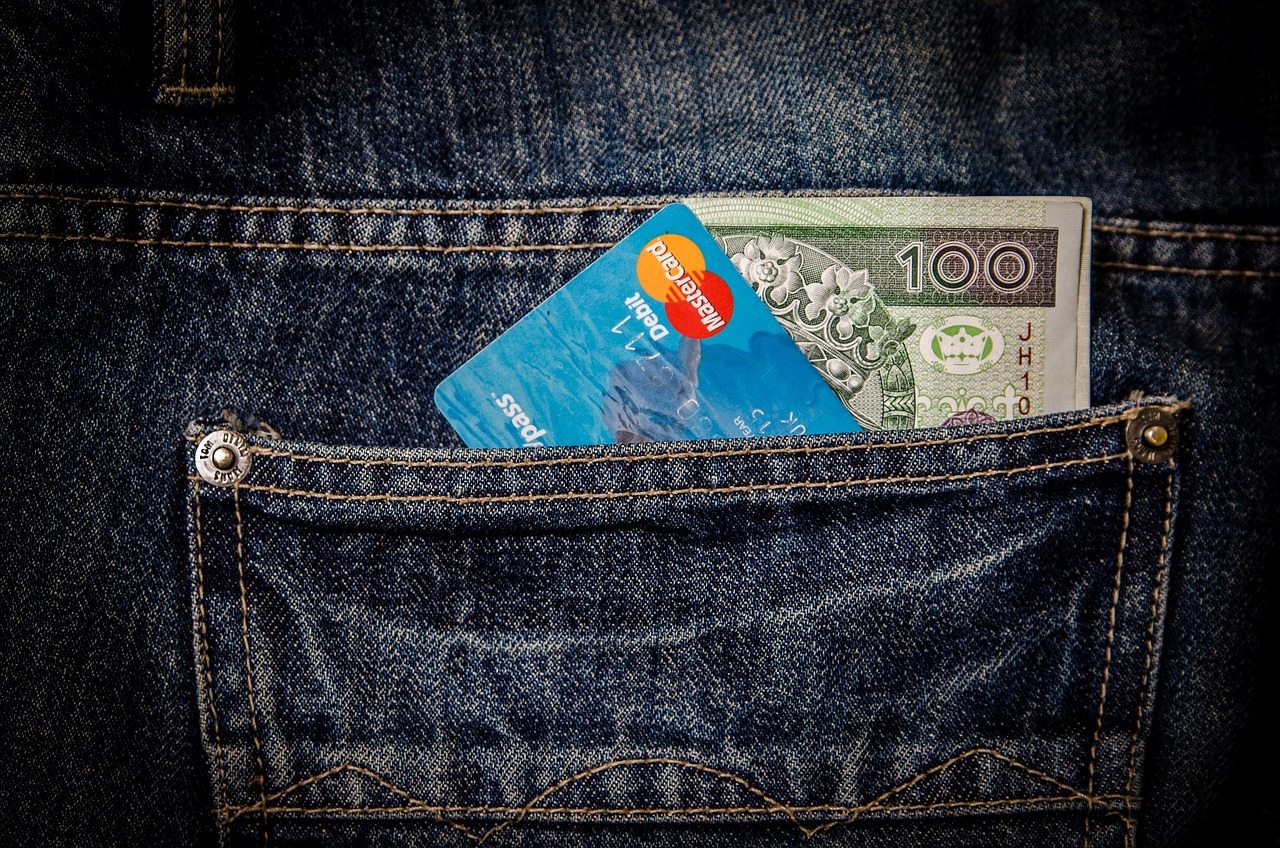
Navigating Korea’s Financial Landscape: Your Expert Guide to Credit Cards
Securing the best credit card for foreigners in Korea can significantly enhance your daily life and financial management. As an industry veteran with 15 years of experience, I’ve seen firsthand how crucial understanding local financial products is for expatriates. It’s not just about convenience; it’s about accessing benefits tailored to your needs, whether you’re a short-term visitor or settling down.
Understanding the Korean Credit Card Market for Expats
The Korean financial system, while advanced, presents unique challenges for non-residents. Many standard credit cards require a stable income history and a Korean Alien Registration Number (ARC) that has been active for a certain period, often 3-6 months. This initial hurdle means that options for new arrivals are more limited, but certainly not nonexistent. Patience and understanding the application process are key.
Key Requirements for Foreigners
To successfully apply for a credit card, foreigners typically need:
- A valid passport and ARC (Alien Registration Card).
- Proof of address in Korea.
- Proof of income or sufficient funds.
- A minimum period of residency, which can vary significantly by issuer.
Some banks may also require a Korean guarantor or a substantial security deposit for initial applications. This is a common practice to mitigate risk for financial institutions.
Top Considerations When Choosing a Card
When evaluating your options, focus on what matters most for your lifestyle in Korea. Are you looking for cashback on daily purchases, travel rewards, or discounts at specific merchants? Understanding these priorities will guide you toward the most suitable plastic.
Cashback and Rewards Programs
Many expatriates find credit cards with generous cashback or points programs to be incredibly beneficial. These rewards can offset a portion of your spending, effectively reducing your cost of living. Look for cards that offer higher percentages on categories where you spend the most, such as groceries, transportation, or dining. For example, some cards offer up to 5% cashback on specific spending tiers.
Travel Benefits and Airport Lounges
If you travel frequently within Korea or internationally, credit cards offering travel perks can be invaluable. This might include airport lounge access, complimentary travel insurance, or points that can be redeemed for flights and hotel stays. These benefits can significantly enhance your travel experience and save you money.
Institutions Offering Cards for Foreigners
While major Korean banks like KB Kookmin Bank, Shinhan Bank, and Woori Bank are primary issuers, specific branches or departments might be more receptive to foreigner applications. It’s advisable to visit a branch in person and speak with a representative who specializes in services for expatriates. Don’t hesitate to inquire about specific products designed for individuals new to the country.
The Application Process: What to Expect
The application process usually involves filling out a detailed form, submitting identification documents, and potentially undergoing a credit check. Some banks might require you to have a local bank account with them for at least three months before approving a credit card. This demonstrates a level of financial commitment to the institution. The approval timeline can range from a few days to several weeks, depending on the bank and the complexity of your application.
Alternative Financial Tools for New Arrivals
Until you qualify for a standard credit card, prepaid cards or debit cards linked to your Korean bank account are excellent alternatives. These allow you to build a transaction history and get accustomed to using payment methods in Korea. Some international money transfer services also offer linked debit cards that can be used locally. For those interested in broader financial strategies, exploring can be a good next step.
Prepaid Card Advantages
Prepaid cards are pre-loaded with funds and function similarly to debit cards. They are generally easier to obtain for foreigners as they don’t require a credit check or a lengthy residency history. This makes them an ideal starting point for managing your expenses in Korea. Many are available for purchase at convenience stores and can be topped up easily.
Expert Insights: Building Your Credit in Korea
As a seasoned professional in the financial sector, I emphasize the importance of responsible credit management from day one. Consistently paying your bills on time, even with a prepaid or debit card, establishes a positive financial footprint. This is crucial for future applications for loans, mortgages, or even a best credit card foreigner Korea that offers premium benefits. The Financial Services Commission also provides resources on responsible borrowing.
Bridging the Gap: Temporary Solutions
For immediate needs, consider international credit cards that might be accepted in Korea, though exchange rates and foreign transaction fees can be a concern. Some services offer virtual credit cards that can be used for online purchases, providing a temporary digital solution. Understanding Korea Insurance policies is also vital for overall financial security.
Table: Common Credit Card Features for Expats
| Feature | Typical Offering | Benefit for Expats |
|---|---|---|
| Cashback | 1-5% on selected categories | Reduces daily spending costs |
| Points/Miles | Earn rate varies by spending | Redeemable for travel or goods |
| Annual Fee | Some cards have fees, others are free | Consider if benefits outweigh the cost |
| Welcome Bonus | Points or cashback upon first use | Attractive initial incentive |
| International Transaction Fee | Often 1-3% for foreign currency purchases | Can add up; look for cards with lower or no fees |
The data suggests that while initial options may seem limited, strategic planning can unlock significant financial advantages. For instance, consistently using a card with 2% cashback on all purchases can save you approximately $200 annually on $10,000 in spending.
Building a Strong Financial Future in Korea
Establishing a credit history is a marathon, not a sprint. By diligently managing your finances, understanding local banking practices, and strategically applying for the best credit card foreigner Korea when eligible, you’ll be well on your way to financial success in your new home. Remember to research Korea Tax Guide information as well to ensure full compliance. The Korea Exchange KRX also offers insights into the broader economic environment.
Long-Term Financial Planning
As your time in Korea progresses, you’ll become eligible for a wider range of financial products. This includes premium credit cards with more exclusive benefits and lower interest rates. Staying informed about financial regulations, such as those governed by the Financial Services Commission, is paramount. Exploring alternative investments like those discussed on Korea Crypto Guide can also be part of a diversified financial strategy. The Korea Development Institute KDI also provides valuable economic research.
자주 묻는 질문 (FAQ)
What is the minimum residency period required for foreigners to apply for a credit card in Korea?
The minimum residency period required for foreigners to apply for a credit card in Korea can vary significantly by bank and card issuer, but it typically ranges from 3 to 6 months after obtaining your Alien Registration Card (ARC).
Are there credit cards specifically designed for new expatriates in Korea?
While there aren’t always credit cards explicitly branded for “new expatriates,” many banks offer products that are more accessible to individuals with shorter residency periods or those who can provide a security deposit. Your best approach is to inquire directly with banks about their offerings for non-residents.
How can I build a credit history in Korea if I’m new to the country?
To build a credit history in Korea, start by opening a local bank account and using a debit card consistently for your daily transactions. It is also advisable to obtain a mobile phone contract in your name and pay your bills on time. Gradually, you can apply for a secured credit card (requiring a deposit) or a basic credit card once you meet the residency and income requirements.
Get in Touch
Have questions about your specific situation? Reach out anytime for a personal consultation.
Email: huh0303@gmail.com
관련 글: Study Reveals: 8 in 10 People Misunderstand Is Your Money Truly Safe? A Crucial Korea Phishing Scam Foreigner Warning You Can’t Afford to Ignore | Key Points for Responding to Tax Audits for Foreign-Invested Enterprises in Korea Practical Compliance Strategy Guide: Frequently Overlooked Facts | What Nobody Tells You About Legal Pitfalls Frequently Overlooked by Foreigners in Startup Investment Contracts Critical Risks You Cannot Ignore